
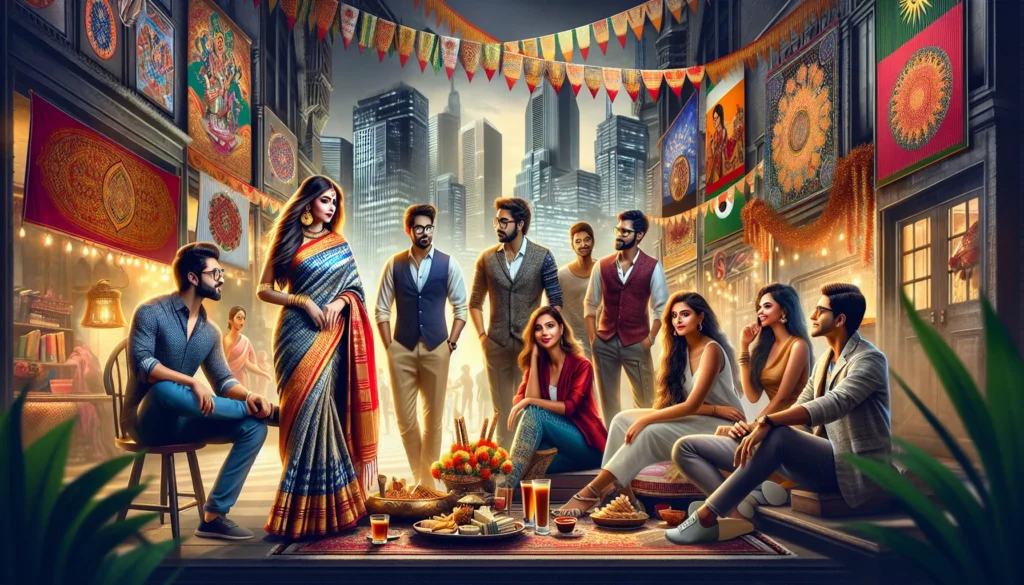
Picture this: It’s a humid afternoon in Kolkata, and the air smells like cardamom and frying fish. A group of friends argue over cricket scores, their voices rising above the honking rickshaws. This is the heartbeat of Bengal people—vivid, opinionated, and always in motion. If you’ve ever wondered what makes Bengal people tick, you’re in for a ride. Their story isn’t just about geography. It’s about resilience, art, food, and a stubborn love for debate.
Who Are the Bengal People?
Bengal people, often called Bengalis, trace their roots to the Bengal region, which spans eastern India and Bangladesh. Over 250 million people speak Bengali, making it one of the world’s most spoken languages. But numbers only tell part of the story. Bengal people are known for their fierce pride, quick wit, and a culture that’s as layered as a well-made biryani.
Where They Live
Most Bengal people live in West Bengal (India) and Bangladesh. You’ll also find vibrant Bengali communities in London, New York, and Dubai. No matter where they settle, Bengal people carry their traditions—think Durga Puja celebrations, Rabindra Sangeet, and a love for mishti (sweets).
What Sets Bengal People Apart?
Here’s the part nobody tells you: Bengal people don’t just follow culture—they shape it. From Nobel laureate Rabindranath Tagore to Oscar-winning filmmaker Satyajit Ray, Bengal people have left their mark on literature, cinema, and politics. If you’ve ever struggled to understand why a Bengali friend insists on quoting poetry at dinner, now you know—it’s in their DNA.
Language and Literature
Bengali isn’t just a language. It’s a way of thinking. Bengal people use it to express love, protest, and everything in between. The Bengali script curls and loops like the Ganges river, and the literature is just as rich. Tagore’s poems, Bankim Chandra’s novels, and Jibanananda Das’s haunting verses have shaped generations. If you want to impress a Bengal person, quote a line from Tagore. Trust me, it works.
Food: More Than Just Fish and Rice
Let’s break it down. Bengal people love food, and they’re not shy about it. Yes, fish and rice are staples, but the real magic happens in the details. Think mustard oil sizzling in a pan, the tang of green mango in a summer dal, or the melt-in-your-mouth sweetness of rasgulla. Every meal is a celebration, and every cook has a secret recipe. If you’re invited to a Bengali home, come hungry.
- Shorshe Ilish: Hilsa fish in mustard sauce, a monsoon favorite
- Mishti Doi: Sweetened yogurt, creamy and cool
- Chingri Malai Curry: Prawns in coconut milk, rich and fragrant
Traditions and Festivals
Durga Puja isn’t just a festival for Bengal people—it’s a five-day marathon of art, music, and devotion. Streets turn into open-air galleries, and everyone, from toddlers to grandparents, joins the celebration. But that’s just the start. Bengal people also celebrate Poila Boishakh (Bengali New Year), Saraswati Puja, and Eid with equal passion. If you want to see Bengal people at their happiest, visit during festival season.
Music and Art
Bengal people breathe music. From Rabindra Sangeet to Baul folk songs, music is everywhere. You’ll find artists sketching on street corners and children learning tabla rhythms before they can tie their shoes. Art isn’t a hobby here—it’s a way of life.
What Drives Bengal People?
Here’s why Bengal people stand out: they question everything. Debate is a sport, and everyone plays. Whether it’s politics, cricket, or the best way to cook fish, Bengal people love a good argument. This spirit of inquiry has fueled social movements, revolutions, and some of the region’s greatest thinkers.
Education and Social Change
Bengal people value education. Kolkata’s Presidency University and Dhaka University have produced Nobel laureates, freedom fighters, and scientists. The Bengal Renaissance in the 19th century sparked reforms in literature, science, and women’s rights. If you’re looking for a community that values learning, Bengal people are your crowd.
Challenges and Resilience
Life hasn’t always been easy for Bengal people. Partition in 1947 split families and forced millions to migrate. Floods, political upheaval, and economic struggles have tested their spirit. But Bengal people adapt. They rebuild, write new songs, and find reasons to celebrate. If you’ve ever felt knocked down, Bengal people show how to get back up—sometimes with a joke, sometimes with a poem.
Who Will Love Bengal People—and Who Might Not
If you love passionate conversation, poetry, and food that makes you sweat, you’ll fit right in with Bengal people. If you prefer quiet dinners and small talk, you might find their energy overwhelming. Bengal people don’t do half-measures. They love deeply, argue loudly, and celebrate life with both hands.
Tips for Connecting with Bengal People
- Ask about their favorite book or film. You’ll get a story, not just a title.
- Try their food. Say yes to seconds.
- Join a festival. Even if you don’t know the rituals, your enthusiasm counts.
- Be ready for debate. It’s a sign of respect, not conflict.
Final Thoughts
Bengal people are a mosaic—each piece unique, but together, they create something unforgettable. Their culture is loud, colorful, and full of heart. If you’re curious, open-minded, and ready for a little chaos, Bengal people will welcome you like family. And if you ever get lost in Kolkata, just follow the sound of laughter and the smell of fresh mishti. You’ll find your way.